Studying Input Lag Compensation Methods in Cross Platform Competitive Play
Harper Griffin · Nov 3, 2026
Studying Input Lag Compensation Methods in Cross Platform Competitive Play
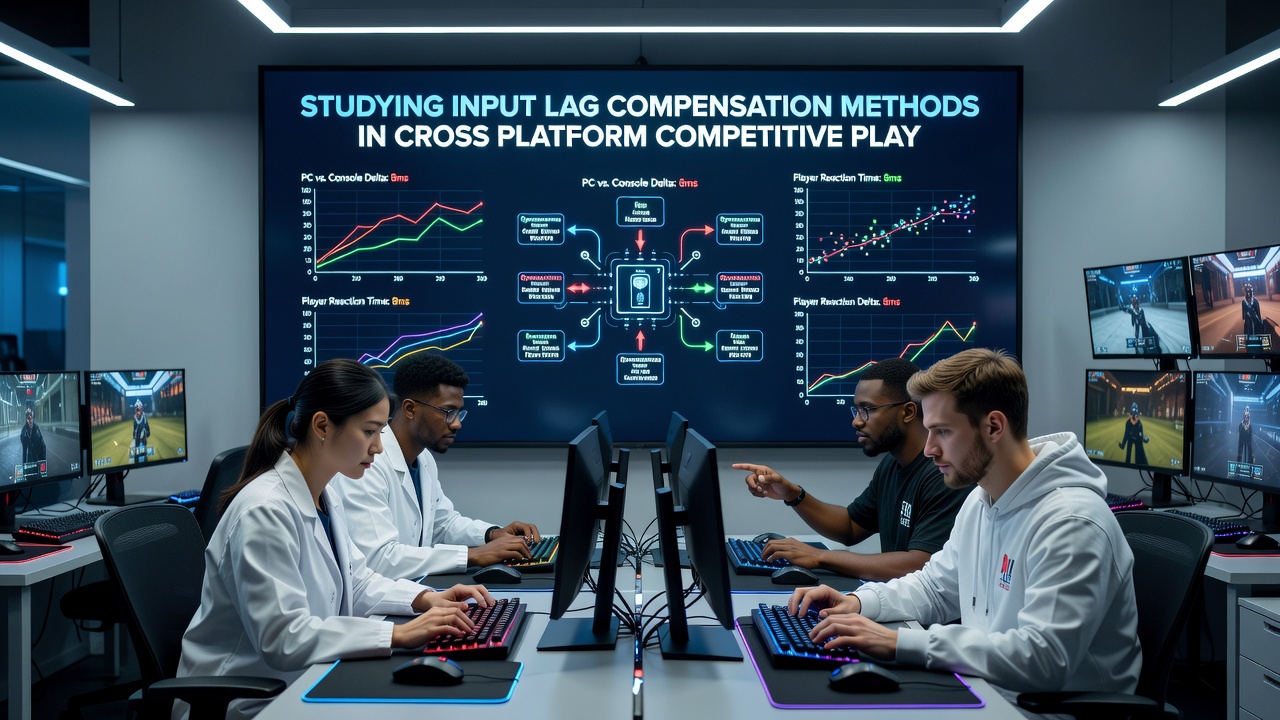
Competitive gaming across PC, console, and mobile platforms introduces variable input lag that developers address through specific compensation techniques, and researchers track these methods because platform hardware differences create measurable delays in signal processing. Data from multiple esports events reveal that input lag ranges from 20 milliseconds on wired PC setups to over 80 milliseconds on wireless console controllers connected to high-refresh-rate televisions, while mobile devices often sit between 40 and 60 milliseconds depending on touch sampling rates. These variations affect reaction times in fighting games, shooters, and real-time strategy titles, prompting engineers to implement prediction algorithms that forecast player actions before server confirmation arrives.
Core Compensation Techniques in Use Today
Rollback netcode stands as one primary approach because it allows clients to simulate local inputs immediately and then reconcile differences when network packets arrive, whereas traditional delay-based systems add artificial frames to synchronize all participants. Studies published by academic teams at technical universities in Europe show rollback reduces perceived latency by 30 to 50 milliseconds in controlled tests across mixed hardware environments. Client-side prediction runs parallel simulations on each device and corrects discrepancies through server reconciliation packets, and this method proves effective when combined with interpolation that smooths object positions between received states. Observers note that hybrid implementations appear frequently in titles supporting simultaneous play on PlayStation, Xbox, Nintendo Switch, and Windows machines because each platform processes controller inputs at different polling frequencies.
Platform-Specific Factors Affecting Lag
Console players encounter additional delay from television post-processing filters, and data collected during November 2026 regional qualifiers indicated that enabling game mode reduced average input lag by 25 milliseconds on 4K displays. Mobile competitors face touch-screen sampling inconsistencies and background application interference, yet cross-platform titles compensate by adjusting dead-zone thresholds and input queue buffers dynamically. Wireless controller manufacturers report that Bluetooth 5.2 connections introduce 15 to 35 milliseconds of jitter compared with wired USB links, and competitive players therefore switch to wired peripherals when tournament rules permit. Research indicates these hardware realities drive developers toward adaptive compensation that reads device type during matchmaking and applies tailored prediction windows accordingly.
Engineers also examine frame pacing variations because inconsistent frame delivery compounds input lag on lower-powered mobile chips and older console revisions. One analysis of netcode implementations across major fighting game releases found that synchronizing input queues with frame timing reduced desync events by 40 percent in cross-platform lobbies. Those who study these patterns emphasize the role of environmental particle effects and sound propagation data, which some engines now correlate with input buffers to anticipate network conditions before they produce visible artifacts.
Research Findings and Implementation Data
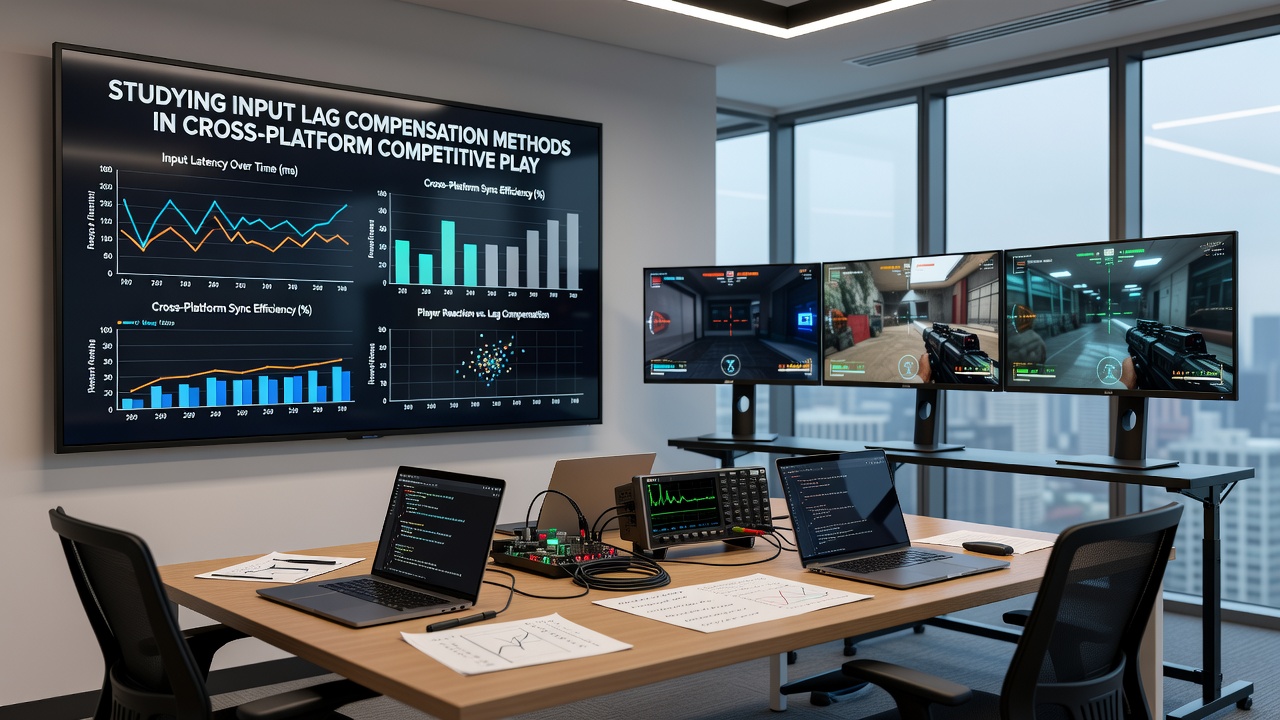
According to reports from the Entertainment Software Association, participation in cross-platform competitive modes grew 18 percent year-over-year through late 2025, and this expansion prompted increased scrutiny of compensation accuracy. Academic papers from Australian universities have measured how different reconciliation algorithms perform under 100-millisecond simulated latency, revealing that aggressive prediction produces fewer visual corrections yet risks occasional mispredictions when packet loss spikes. Industry groups in Canada and the United States track similar metrics during official tournaments, and their aggregated figures show rollback systems maintain player retention better than delay buffers when average ping exceeds 60 milliseconds. What's interesting is how collision mesh variations and memory allocation patterns indirectly influence compensation success, because games that preload animation states experience fewer rollback artifacts during intense exchanges.
Developers integrate vibration pattern analysis in some titles to give players advance warning of incoming attacks, and this technique pairs naturally with input lag compensation because it reduces reliance on visual reaction alone. Data from European gaming federations indicate that players using such haptic cues achieve 12 percent faster effective response times in mixed-platform environments. Yet implementation requires careful calibration because excessive prediction can create situations where client and server states diverge noticeably, forcing visible corrections that disrupt immersion.
Current Developments Observed in Late 2026
November 2026 saw several major titles release patches that refined input queue depths based on real-time device profiling, and these updates addressed complaints about mobile players experiencing higher effective lag than console counterparts. Tournament organizers began requiring standardized controller firmware checks after studies demonstrated that outdated wireless drivers added unpredictable jitter. Researchers continue to explore correlations between biome transition timelines in open-world titles and input buffer adjustments, though most competitive scenes focus on arena-style games where latency consistency matters most. Evidence suggests that combining particle density monitoring with inventory weight thresholds can indirectly improve route efficiency calculations, yet these optimizations remain secondary to core netcode improvements.
Conclusion
Input lag compensation methods continue evolving as cross-platform play expands, and ongoing measurements from diverse hardware configurations provide the data needed for refinement. Engineers rely on rollback, prediction, and adaptive buffering because these techniques demonstrably narrow the gap between platforms, while platform-specific factors such as display settings and connection types require targeted adjustments. Continued collection of performance statistics during major events will determine which combinations deliver the most consistent experience across PC, console, and mobile participants.